


FAQ for Formwork
Formwork construction is the process of creating temporary or permanent molds, known as formwork, to hold concrete or other construction materials in place as they set and harden.
There are various types of formwork, including traditional timber formwork, modular formwork, aluminum formwork, and insulated formwork, plastic formwork.
Using formwork can help ensure accurate placement and a consistent finish, reduce labor costs, and speed up construction times.
Choosing the right formwork depends on factors such as the type and size of the project, the required finish, and the desired level of precision, speed, Number of repetition required.
Yes, formwork can be customized to create unique shapes, patterns, and finishes.
Depends upon type of construction.
Regular cleaning, inspection, and repairs may be needed to ensure the formwork is in good condition for future use, Lubrication.
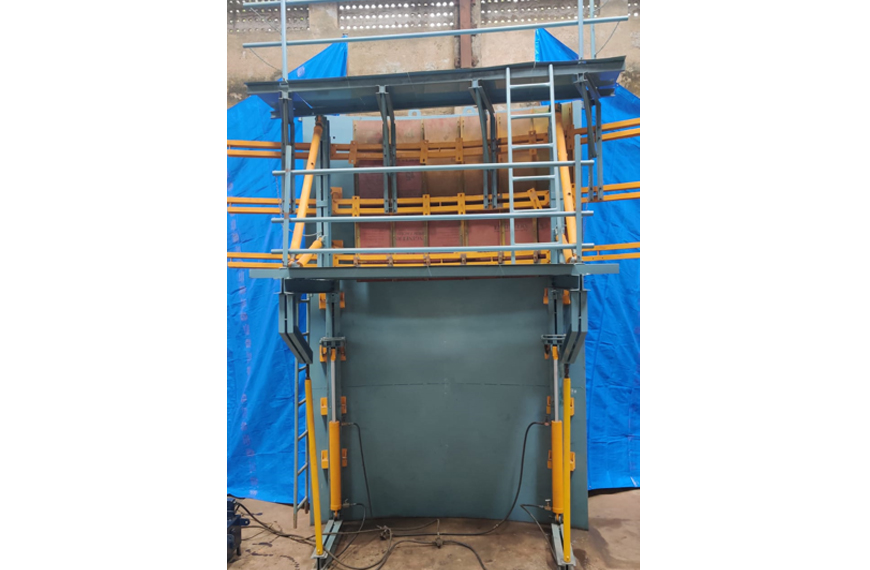
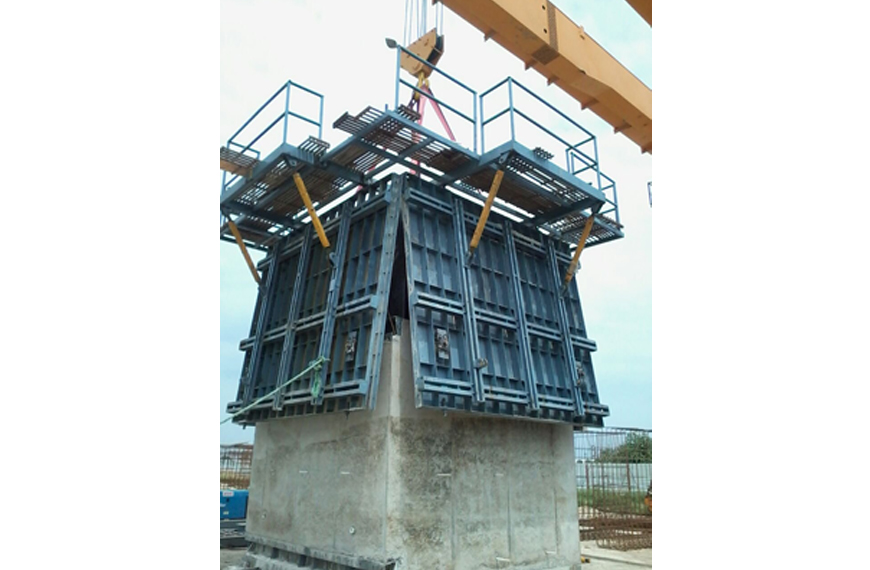
Modular Pier Cap Formwork allows for lightweight assembly and segmental lift of components either manually or using the minimum amount of lifting equipment which results in reduced dependency on cranes in tight construction areas, allowing for faster, safer, and uninterrupted concreting operations, even in high traffic areas and restricted access areas.
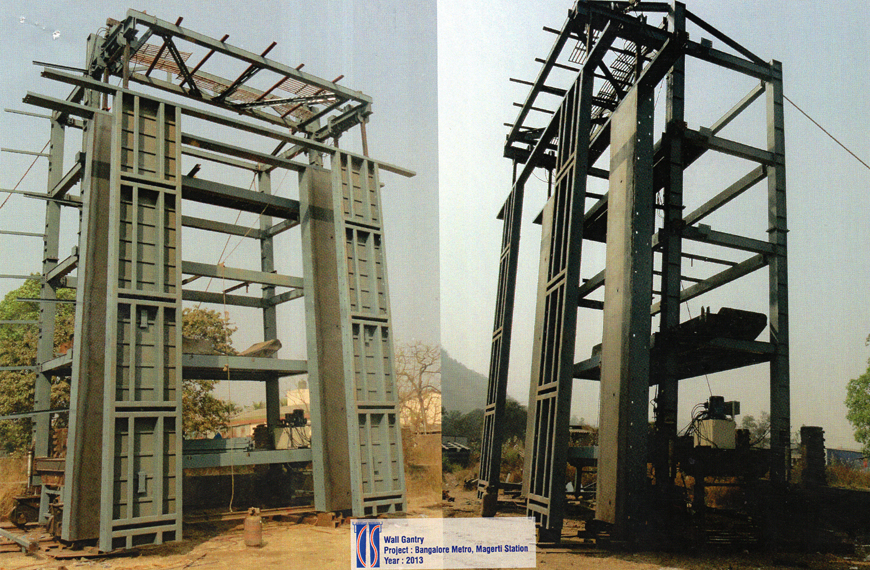
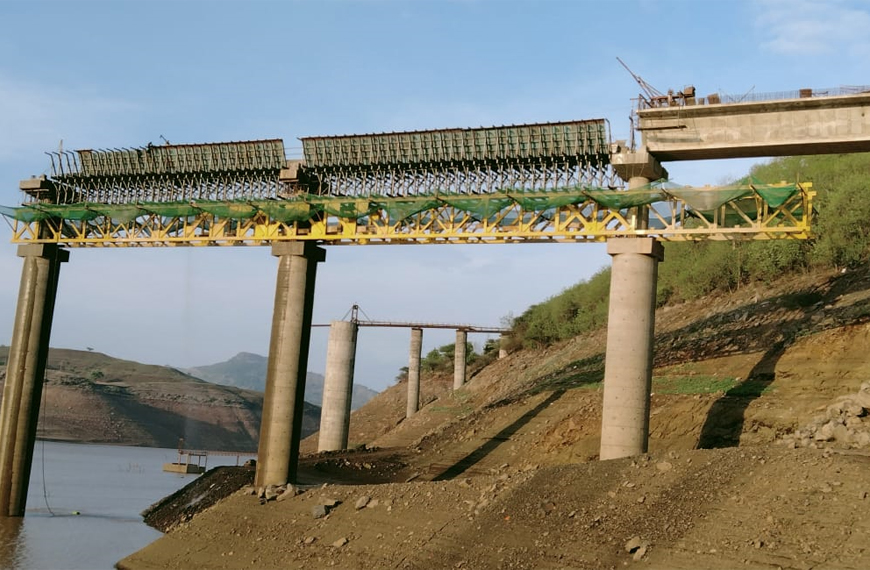
Contemporary Form Works for Railway projects lower the onsite cycle time required to complete work on piers, abutments, and station structures by using high precision steel system forms with rapid locking mechanisms and modular panels. These forms allow for accelerated shuttering of openings, placement of reinforcement, and completion of concrete pouring into forms with significantly improved precision, reducing rework and time required to complete these structures, thereby speeding up the completion of piers, abutments, and elevated station structures along large railway corridors.
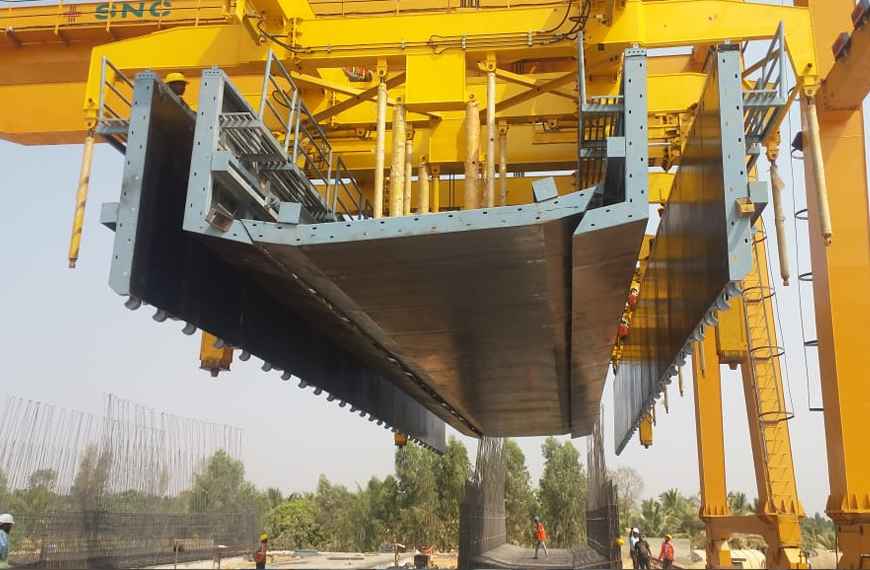
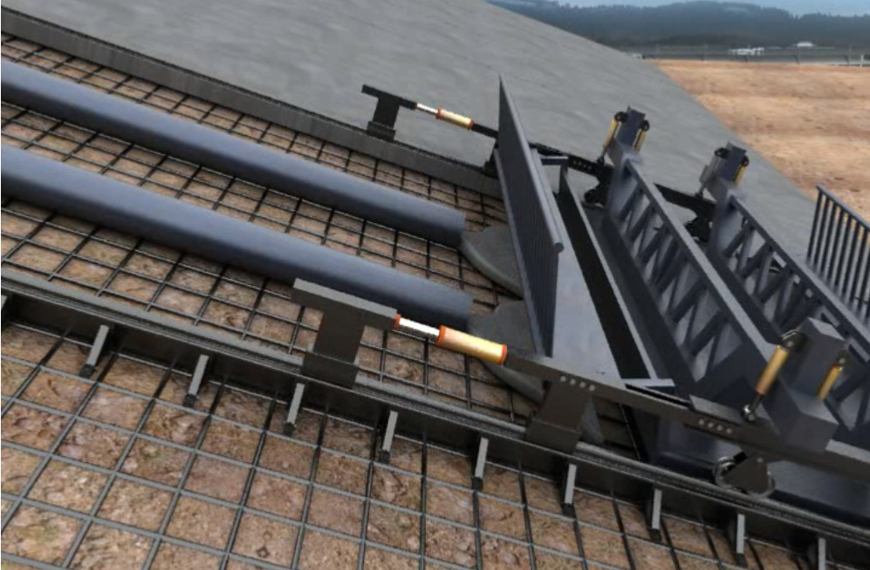
Custom designed I Girder Formwork maintains uniform geometry, achieves superior surface finish, and guarantees consistently accurate dimensions for all repetitive castings of I-girders. This form design substantially reduces assembly time and concrete leakage as well as enables large volume production cycles of I-girders for long-span bridge and highway projects in an effective and efficient manner.